
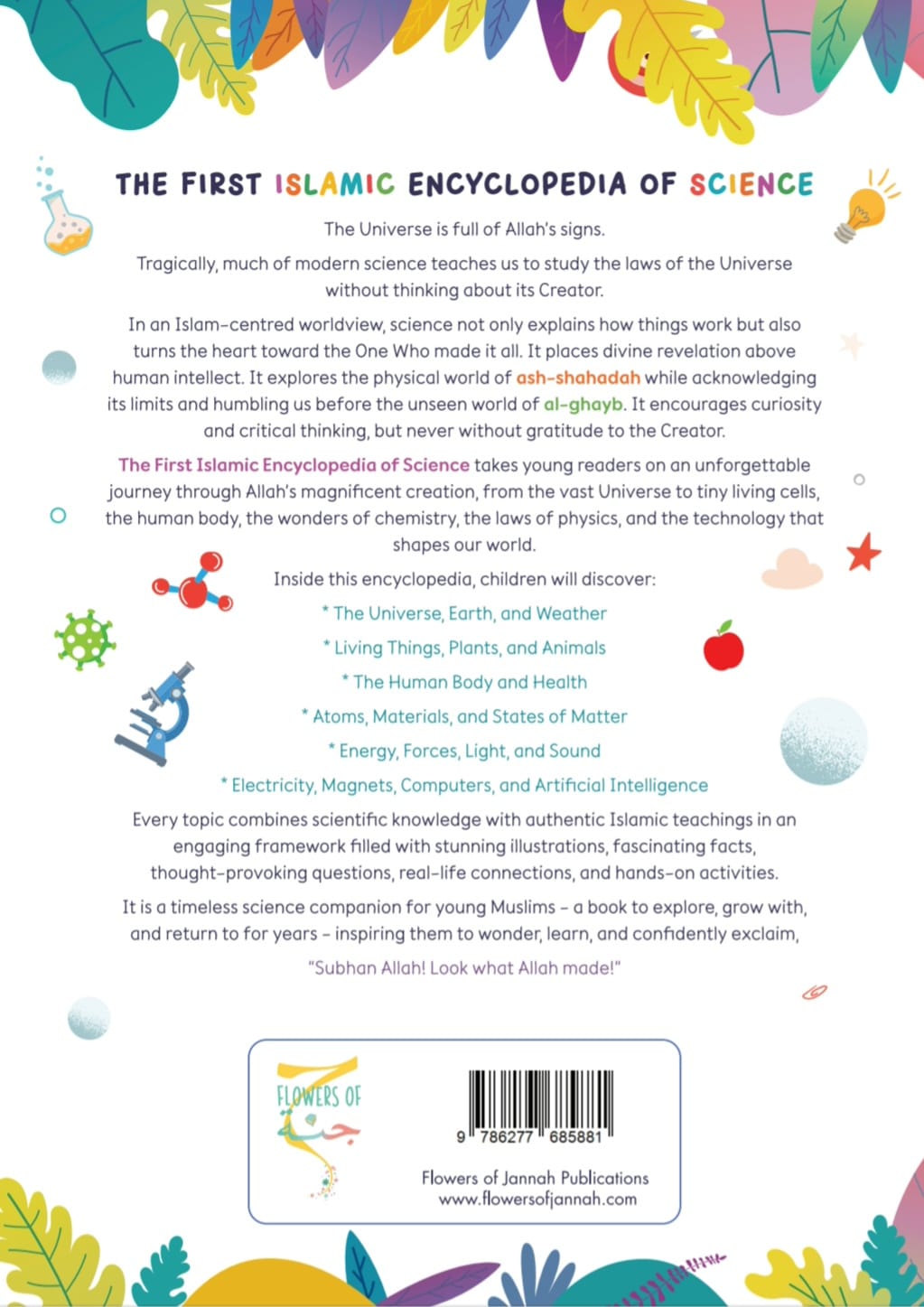





Existing non-Islamic science encyclopedias are, written from a secular worldview. They make no mention of Who created the universe and set its laws in place; everything is presented as happening by itself. In an Islam-centred worldview, however, science does more than explain how things work: it turns the heart toward the Creator, the One behind it all.
Above all, this worldview does not integrate science with Islam merely as an afterthought. It does not sprinkle in a Quranic verse or hadith here and there wherever a topic touches on stars, rain, and the like. Instead, it grows from the ground up, rooted in a completely unique, tawhid-centred paradigm. It explores the seen world (ash-shahadah) while acknowledging its limits, and it humbles us before the unseen (al-ghayb). It places divine revelation above human speculation: where a modern theory contradicts what Allah has told us, we take revelation as the ultimate truth. It nurtures curiosity and critical thinking, but never without gratitude to the Creator.
That is exactly how this book has been written, introducing scientific concepts to Muslim children the way they should be introduced. For example:
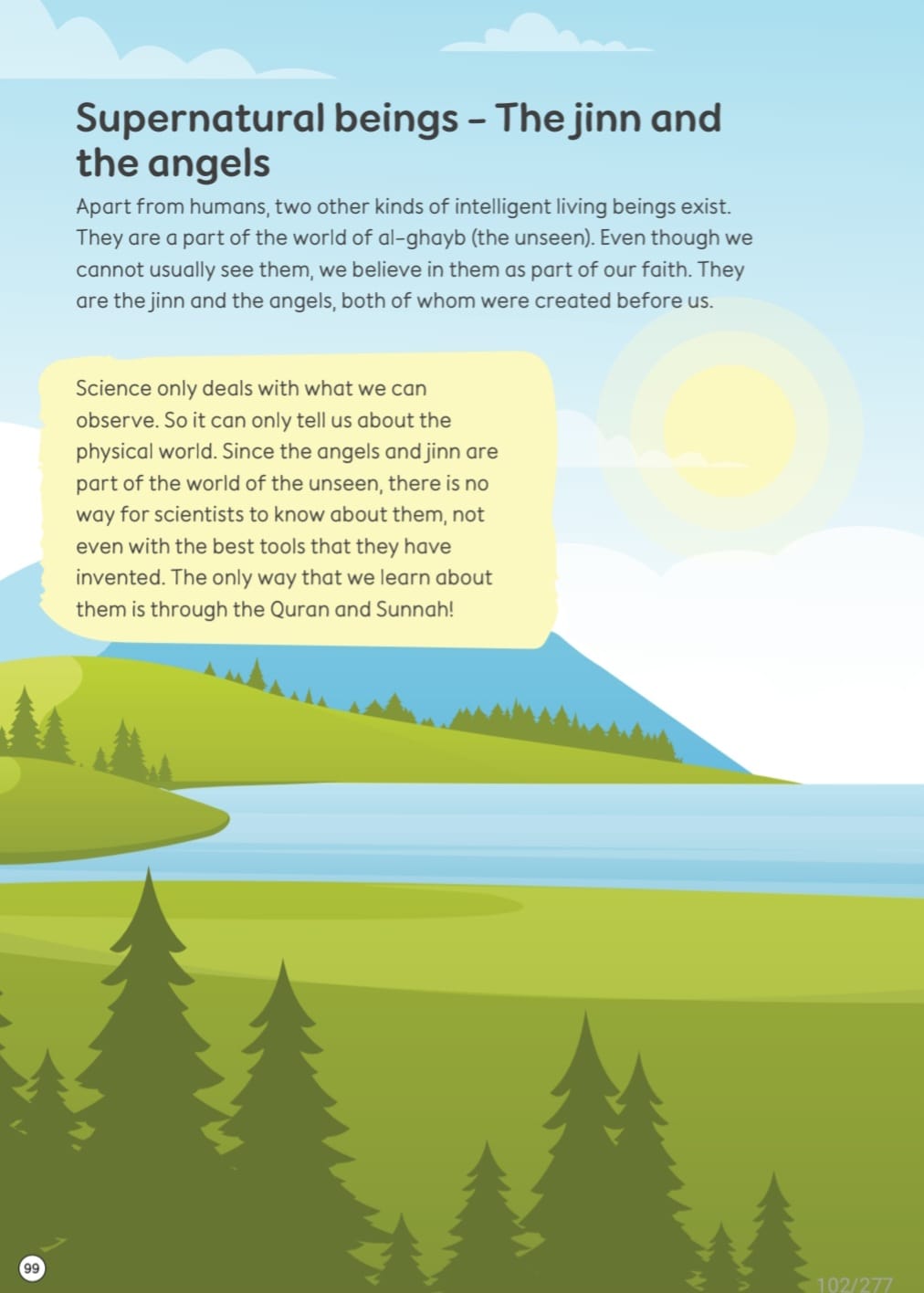
- Angels and jinn: They are living beings, yet science is silent about them. How does Islam classify creation? Are non-living things as lifeless as secular science would have us believe?
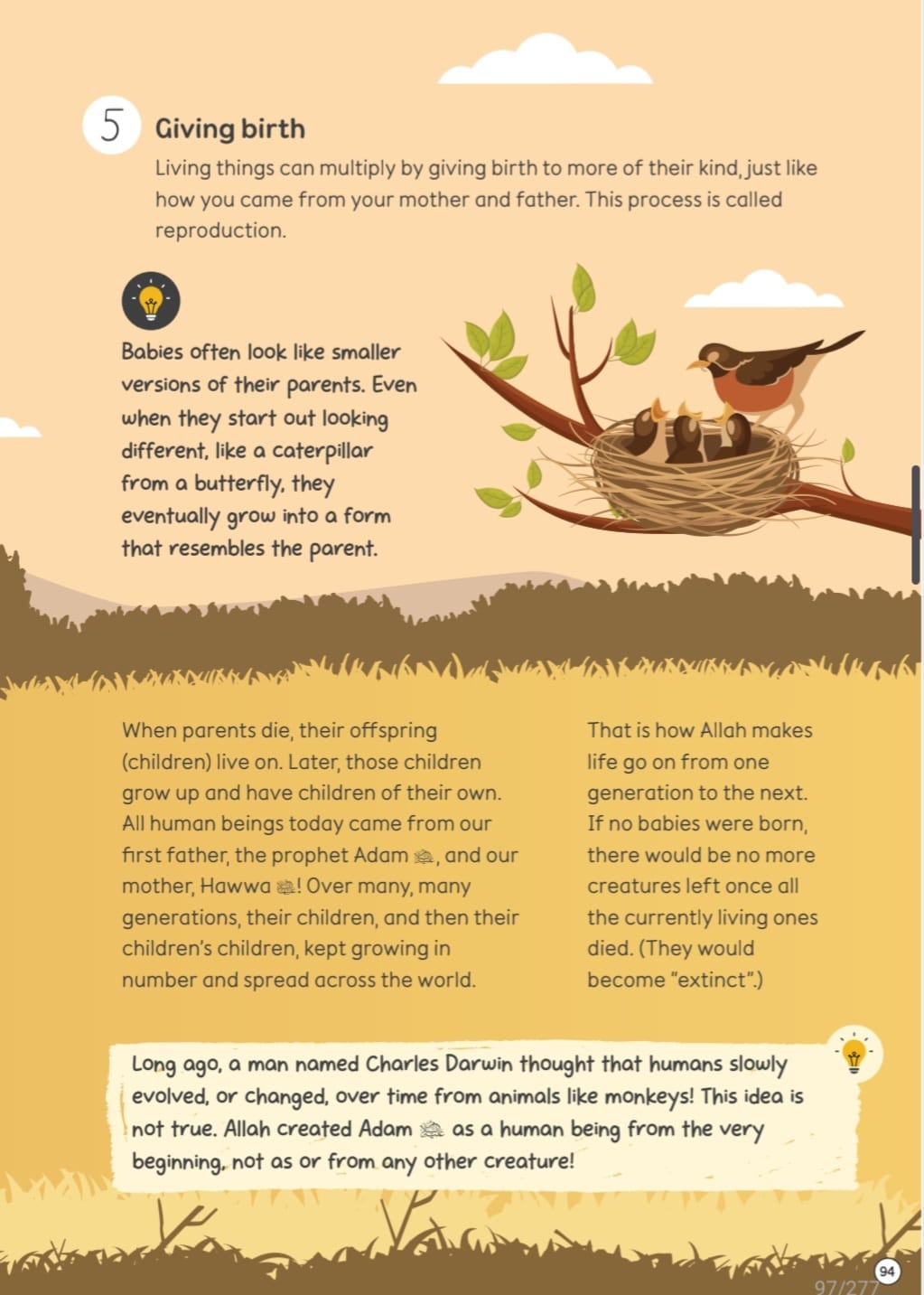
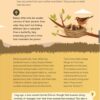
- Humans and mammals: Humans share many physical traits with a group of animals called mammals, but are we really like them?
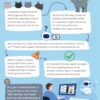
- The brain: Is the brain really the sole seat of consciousness, as secular science assumes?
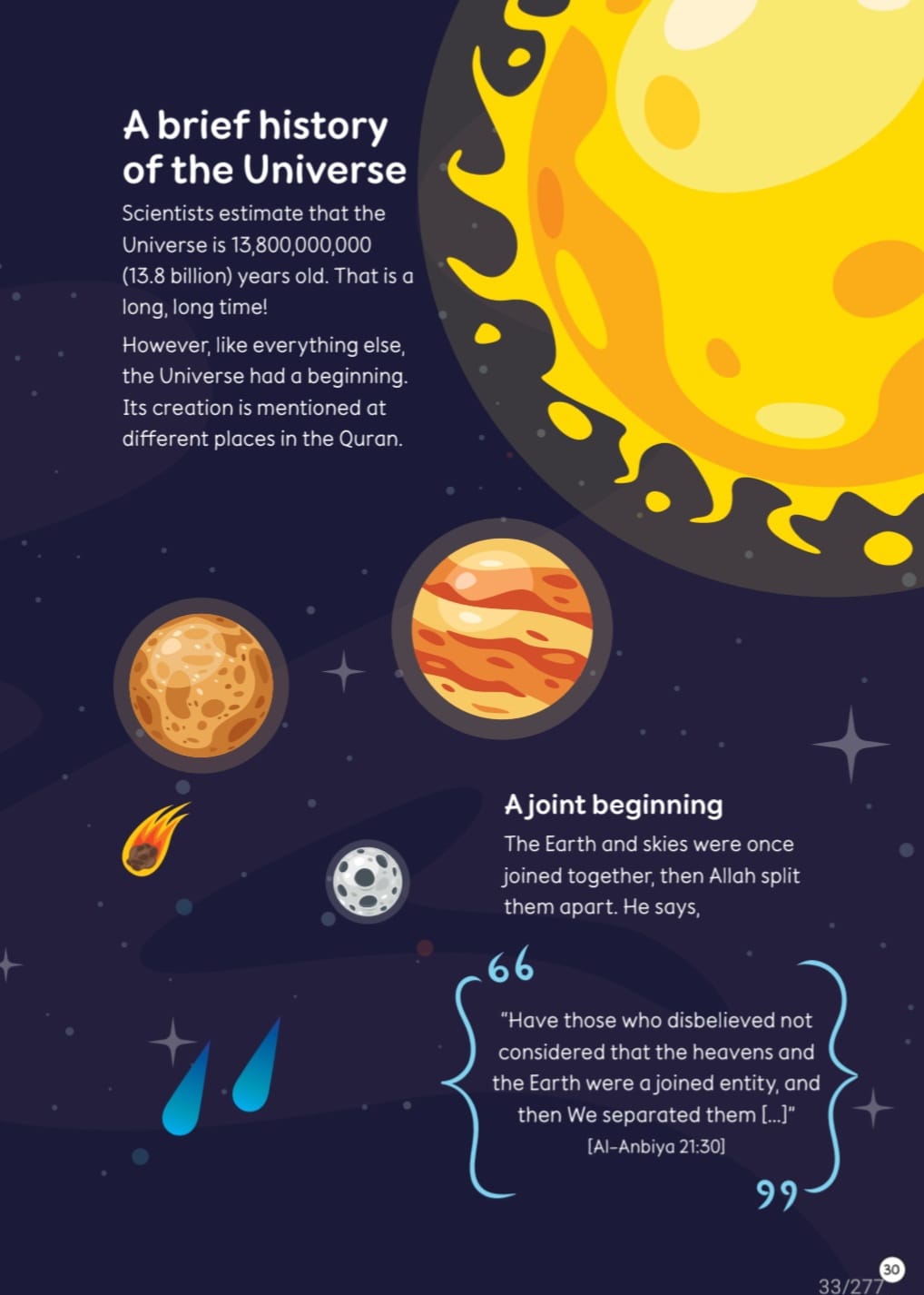
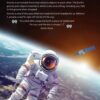
- Creation of the Universe and the Earth: Its stages were described in the Quran centuries before the Big Bang theory was ever proposed. Do we know that creation story, or only the Big Bang theory?
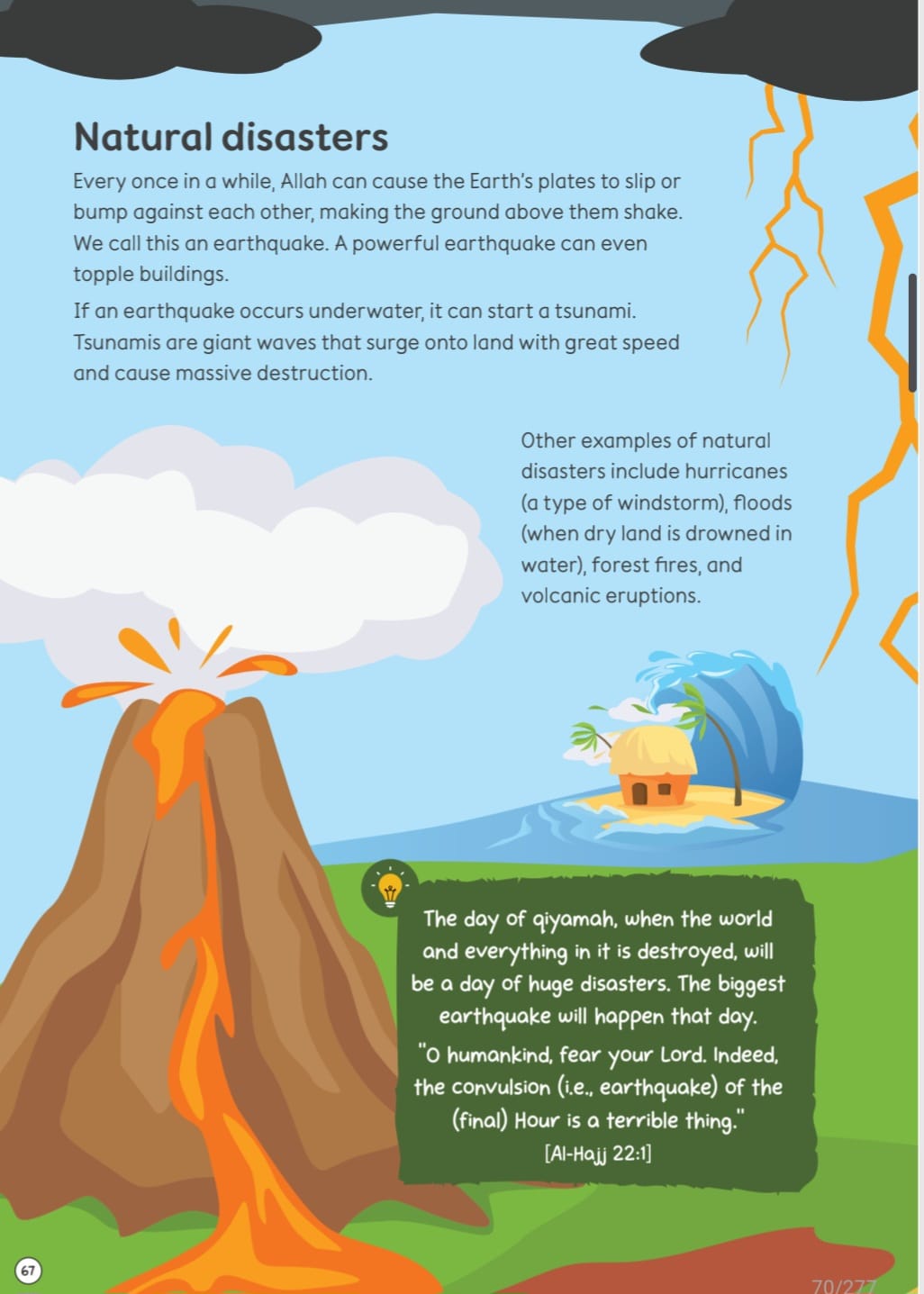
- Phenomenon or sign? Eclipses, lightning, and natural disasters: are they just natural events, or reminders from the One Who commands them?
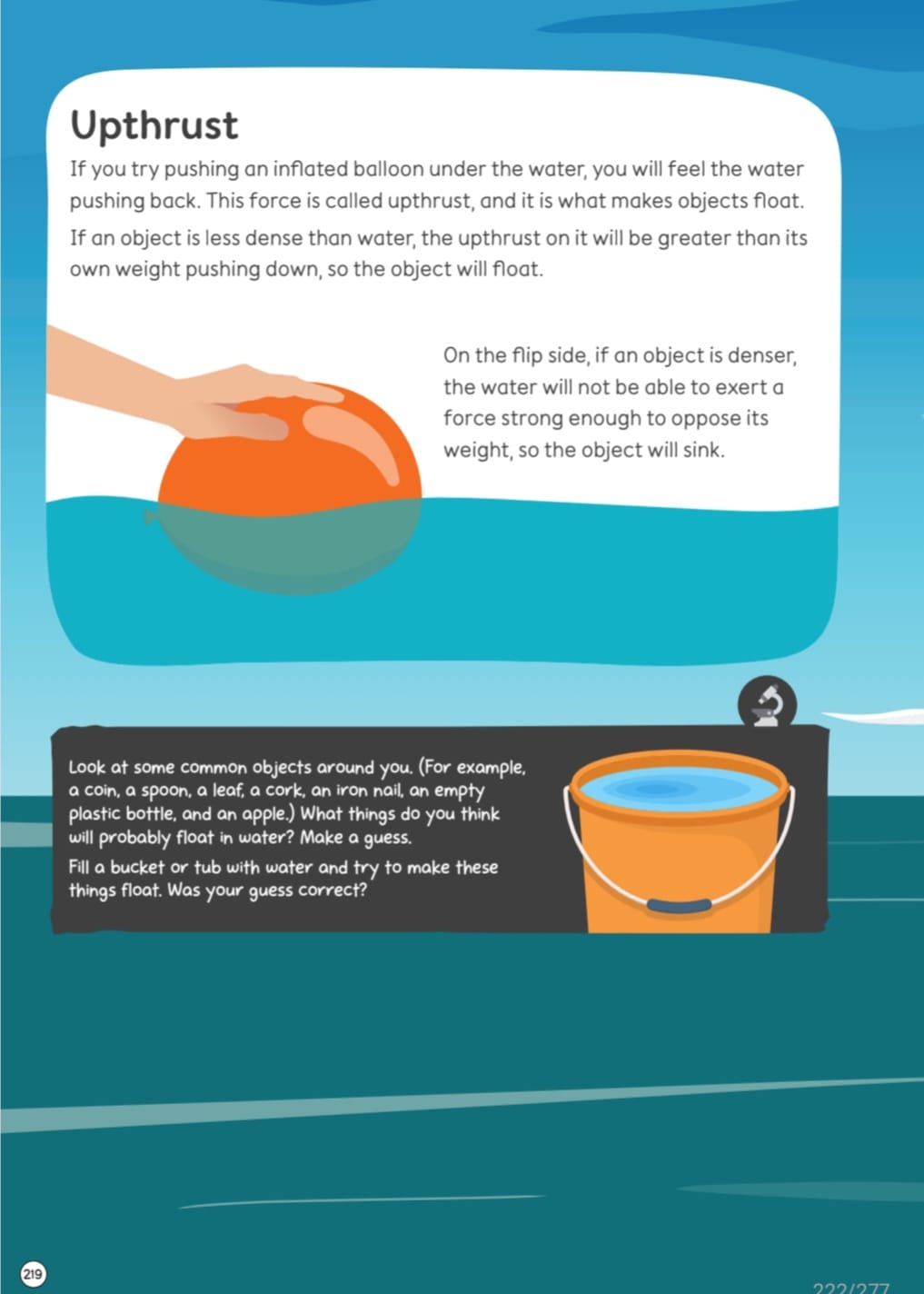
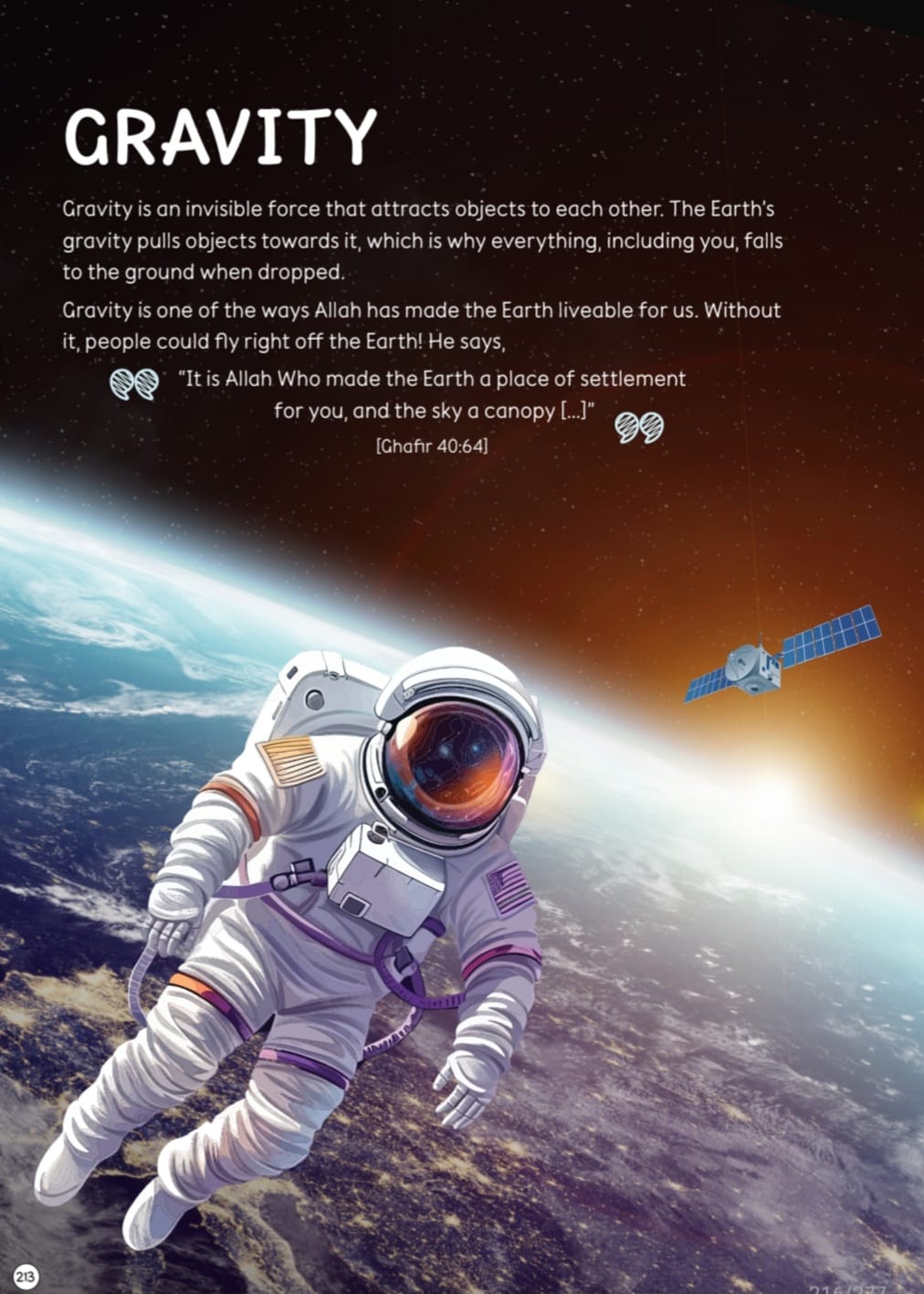
- Nothing happens by itself: A baby is born, a seed sprouts, a ship sails, gravity holds. But Who is the One behind it all?
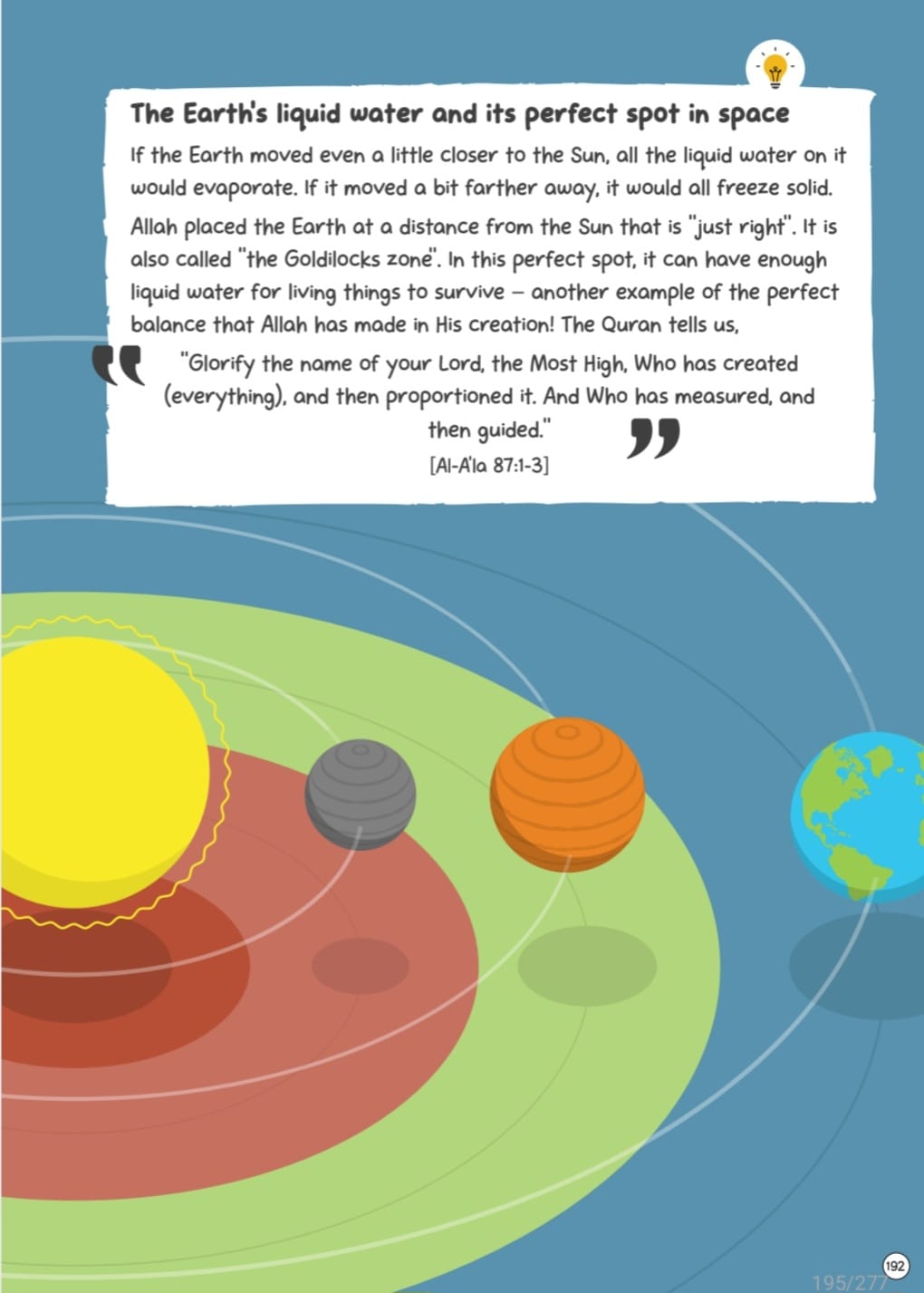
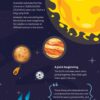
- The perfect balance: What if the Earth sat a little closer to the Sun or became tidally locked to it? What if the forces inside the atom were a hair weaker? Everything is perfectly calibrated. What does that precision point to?
Children will find answers to all these questions, and many more, inside this book. To the best of our knowledge, it really is the first book of its kind in the world.
No. of Pages: 260
Size: A4


Reviews
There are no reviews yet.